⚠️ For information only; not a substitute for the official Safety Data Sheet (SDS).
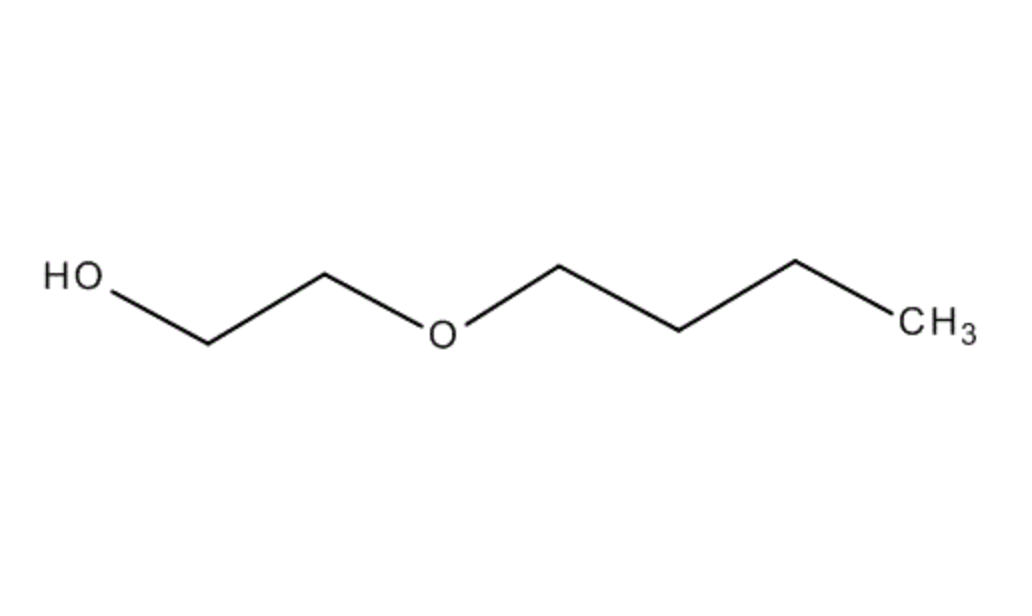
Butyl Glycol is a clear, colorless liquid with a mild odor, known for its excellent solvent properties. It is widely used as a coupling agent and solvent in paints, coatings, cleaners, inks, and adhesives. Due to its ability to dissolve both water-soluble and oil-soluble substances, Butyl Glycol is a versatile chemical in many industrial processes.
- Paints and Coatings: Used as a solvent and flow improver.
- Industrial Cleaners: Component in degreasers and multi-purpose cleaners.
- Printing Inks: Acts as a solvent to improve ink performance.
- Adhesives: Used in adhesive formulations.
- Textile Industry: Used in dyeing processes and as a solvent in textile printing.
- Oil and Gas: Used in drilling and hydraulic fracturing fluids.
Appearance
Clear, colorless liquid
Odor
Mild, ether-like
Molecular Formula
C6H14O2
Molecular Weight
118.17 g/mol
Boiling Point
171 °C
Density
0.90 g/cm³ (20°C)
Solubility
Soluble in water and organic solvents
Flash Point
62 °C (Closed Cup)
Chemical Stability
Stable under normal conditions
IUPAC Name
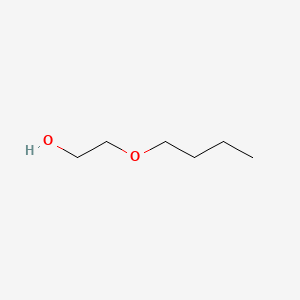
2-butoxyethanol
Molekulyar formul
C6H14O2
Molekulyar kütlə
118.17 g/mol g/mol
SMILES
CCCCOCCO
InChIKey
POAOYUHQDCAZBD-UHFFFAOYSA-N
H227 Combustible liquid
H302 Harmful if swallowed
H310 Fatal in contact with skin
H311 Toxic in contact with skin
H312 Harmful in contact with skin
H315 Causes skin irritation
H318 Causes serious eye damage
H319 Causes serious eye irritation
H330 Fatal if inhaled
H331 Toxic if inhaled
H332 Harmful if inhaled
H335 May cause respiratory irritation
H336 May cause drowsiness or dizziness
H361 Suspected of damaging fertility or the unborn child
H370 Causes damage to organs
H372 Causes damage to organs through prolonged or repeated exposure
H373 May causes damage to organs through prolonged or repeated exposure
⚠️ For information only; not a substitute for the official SDS.
