sales@klarchem.com +90 530 315 00 65 Дс–Сб: 09:00 – 18:00

Formaldehyde

Formaldehyde
Химиялық өнім

Formaldehyde

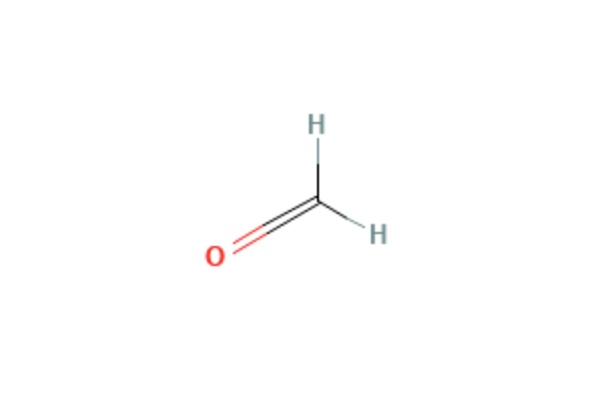
Молекулалық формулаCH2O CAS50-00-0 Молекулалық салмақ30.03 g/mol g/mol
СинонимдерMethanal, Formic Aldehyde, Methyl Aldehyde
Safety & Hazards (GHS) Danger
Flammable Flammable Gas under pressure Gas under pressure Corrosive Corrosive Acute toxic Acute toxic Irritant Irritant Health hazard Health hazard

⚠️ For information only; not a substitute for the official Safety Data Sheet (SDS).

Formaldehyde is a colorless gas with a pungent odor, usually supplied as a 37% aqueous solution known as formalin. It is widely used in the production of resins, disinfectants, textiles, and preservatives. Its strong reactivity makes it a valuable intermediate in various chemical manufacturing processes.
- Chemical Industry: Key raw material for urea-formaldehyde and phenol-formaldehyde resins. - Textiles: Used in fabric finishing and wrinkle-resistant treatments. - Disinfectants: Active ingredient in certain disinfectants and preservatives. - Construction: Used in plywood and particleboard adhesives. - Laboratory Use: Preservative in biological specimen storage.
AppearanceColorless liquid (formalin solution) or gas
OdorPungent
Molecular FormulaCH2O
Molecular Weight30.03 g/mol
Boiling Point-19 °C (gas)
Density1.09 g/cm³ (37% solution)
SolubilityCompletely soluble in water
pH (37% solution)2.8 - 4.0
Chemical StabilityStable under recommended conditions
IUPAC Nameformaldehyde
Молекулалық формулаCH2O
Молекулалық салмақ30.03 g/mol g/mol
SMILESC=O
InChIKeyWSFSSNUMVMOOMR-UHFFFAOYSA-N
  • H220 Extremely flammable gas
  • H227 Combustible liquid
  • H280 Contains gas under pressure; may explode if heated
  • H301 Toxic if swallowed
  • H302 Harmful if swallowed
  • H311 Toxic in contact with skin
  • H314 Causes severe skin burns and eye damage
  • H315 Causes skin irritation
  • H317 May cause an allergic skin reaction
  • H318 Causes serious eye damage
  • H319 Causes serious eye irritation
  • H330 Fatal if inhaled
  • H331 Toxic if inhaled
  • H334 May cause allergy or asthma symptoms or breathing difficulties if inhaled
  • H341 Suspected of causing genetic defects
  • H350 May cause cancer
  • H351 Suspected of causing cancer
  • H370 Causes damage to organs
  • H372 Causes damage to organs through prolonged or repeated exposure
  • H401 Toxic to aquatic life
  • H402 Harmful to aquatic life
  • H412 Harmful to aquatic life with long lasting effects

⚠️ For information only; not a substitute for the official SDS.

Баға және мәлімет сұрау