sales@klarchem.com +90 530 315 00 65 Duş–Şen: 09:00 – 18:00

Acetone

Acetone
Himiki önüm

Acetone

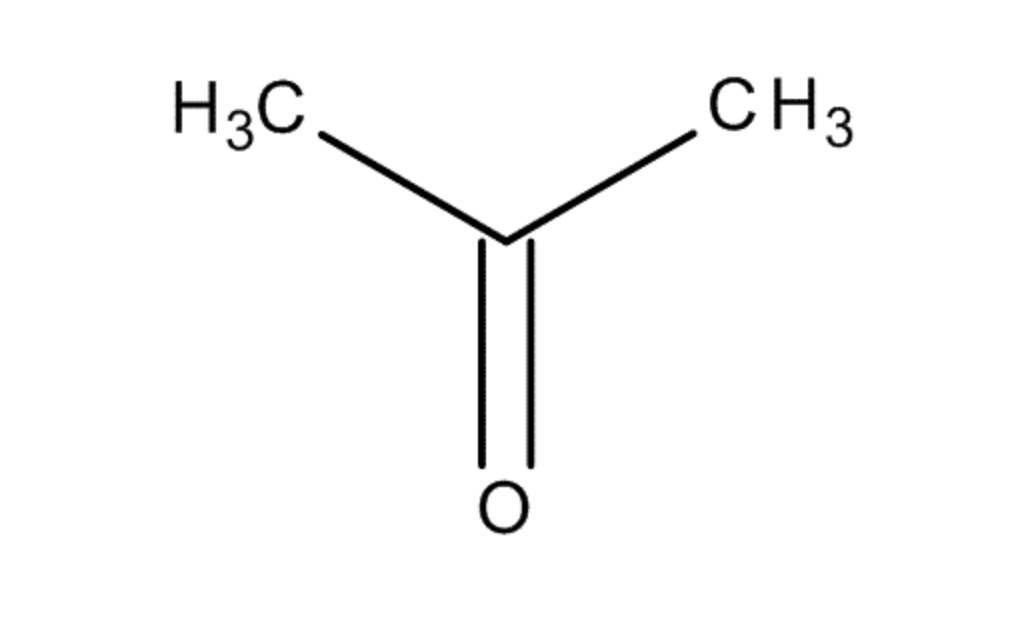
Molekulýar formulaC3H6O CAS67-64-1 Molekulýar agram58.08 g/mol g/mol
SinonimlerPropane-2-one, Dimethyl Ketone, Methyl Ketone
Safety & Hazards (GHS) Danger
Flammable Flammable Irritant Irritant Health hazard Health hazard

⚠️ For information only; not a substitute for the official Safety Data Sheet (SDS).

Acetone is a colorless, volatile, flammable liquid commonly used as a solvent and cleaning agent. It is widely used in industrial, laboratory, and cosmetic applications due to its ability to dissolve a variety of substances.
- Solvent: Used in coatings, paints, adhesives, and cleaning formulations. - Pharmaceutical Industry: Used in the manufacture of pharmaceutical products and as a solvent. - Cosmetic Industry: Found in nail polish removers and as a solvent for cosmetics. - Industrial Applications: Used in cleaning and degreasing metal parts. - Laboratory Use: A common solvent in laboratories for organic chemistry.
AppearanceColorless, clear liquid
OdorSweet, pungent odor
Molecular FormulaC3H6O
Molecular Weight58.08 g/mol
Boiling Point56.05 °C
Density0.79 g/cm³
SolubilityMiscible with water and most organic solvents
Flash Point-20 °C (closed cup)
Chemical StabilityStable under normal conditions but highly flammable
IUPAC Namepropan-2-one
Molekulýar formulaC3H6O
Molekulýar agram58.08 g/mol g/mol
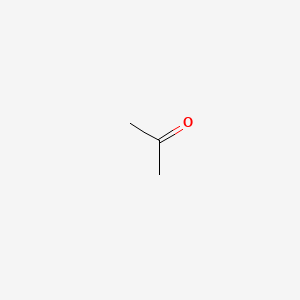
SMILESCC(=O)C
InChIKeyCSCPPACGZOOCGX-UHFFFAOYSA-N
  • H225 Highly Flammable liquid and vapor
  • H305 May be harmful if swallowed and enters airways
  • H319 Causes serious eye irritation
  • H320 Causes eye irritation
  • H335 May cause respiratory irritation
  • H336 May cause drowsiness or dizziness
  • H361 Suspected of damaging fertility or the unborn child
  • H372 Causes damage to organs through prolonged or repeated exposure
  • H373 May causes damage to organs through prolonged or repeated exposure

⚠️ For information only; not a substitute for the official SDS.

Teklip we jikme-jiklik soramak