Corrosive
Acute toxic
Irritant
Health hazard
Environmental hazard
⚠️ For information only; not a substitute for the official Safety Data Sheet (SDS).
Cobalt Chloride is a red to blue crystalline salt, commonly used as a desiccant, in electroplating, and in various chemical reactions. It is known for its ability to change color based on the hydration state, from pink (hydrated) to blue (anhydrous).
- Desiccant: Used in humidity indicator cards and as a drying agent.
- Electroplating: Used in the electroplating of cobalt.
- Chemical Manufacturing: Used as a catalyst in organic synthesis.
- Laboratory Use: Employed as a reagent in analytical chemistry.
- Textile Industry: Applied in dyeing and printing processes.
Appearance
Red to blue crystalline solid
Odor
Odorless
Molecular Formula
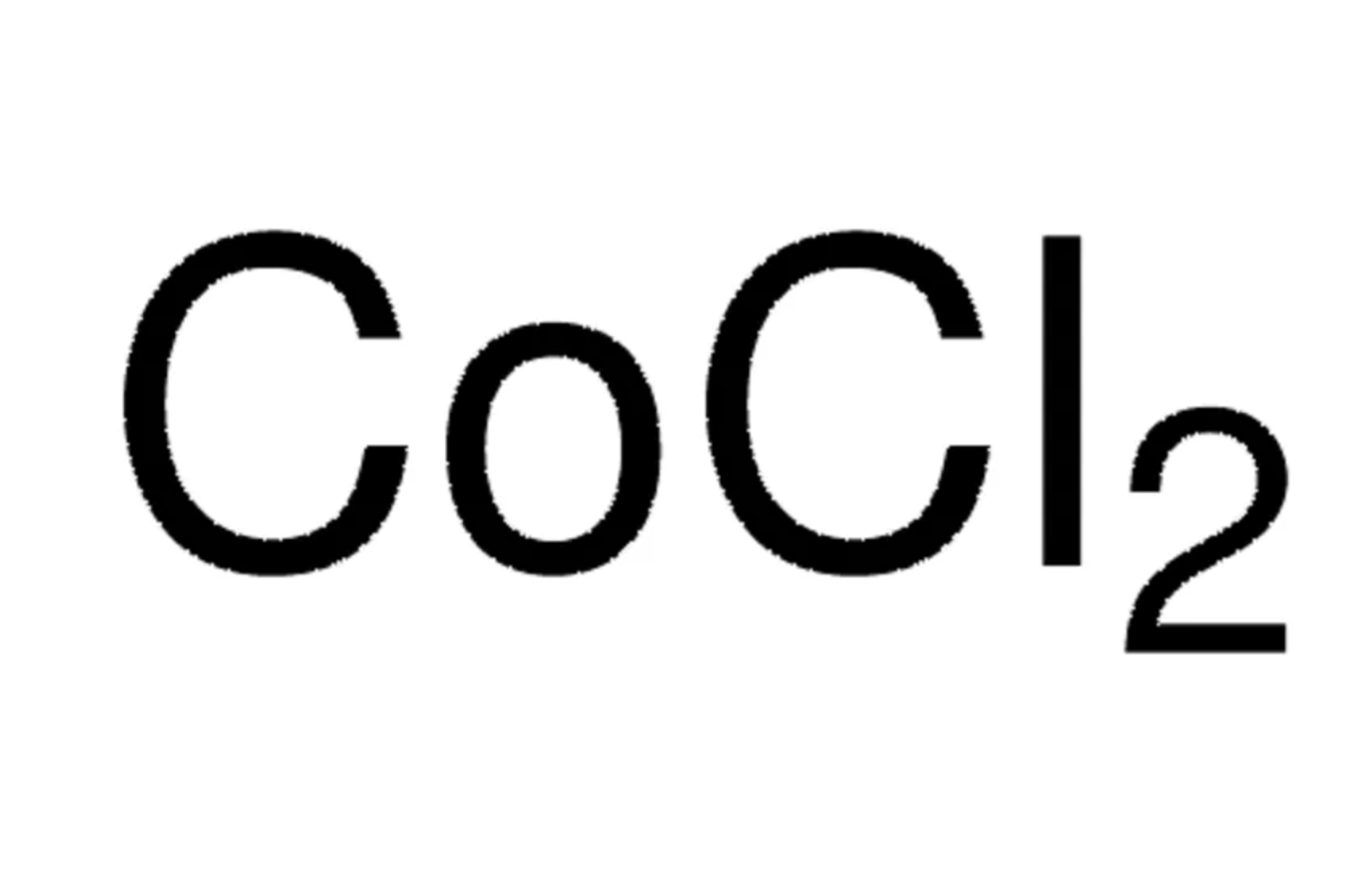
CoCl2
Molecular Weight
129.84 g/mol
Melting Point
735 °C
Density
3.36 g/cm³
Solubility
Soluble in water
pH (1% solution)
5.0 - 6.5
Chemical Stability
Stable under normal conditions, but sensitive to moisture
IUPAC Name
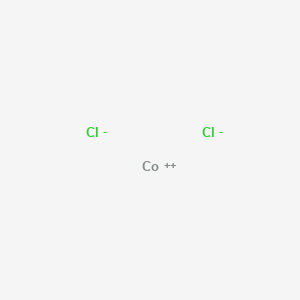
cobalt(2+) dichloride
Molekulýar formula
CoCl2
Molekulýar agram
129.84 g/mol g/mol
SMILES
[Cl-].[Cl-].[Co+2]
InChIKey
GVPFVAHMJGGAJG-UHFFFAOYSA-L
H301 Toxic if swallowed
H302 Harmful if swallowed
H315 Causes skin irritation
H317 May cause an allergic skin reaction
H318 Causes serious eye damage
H319 Causes serious eye irritation
H334 May cause allergy or asthma symptoms or breathing difficulties if inhaled
H335 May cause respiratory irritation
H341 Suspected of causing genetic defects
H350 May cause cancer by inhalation
H351 Suspected of causing cancer
H360 May damage fertility
H361 Suspected of damaging fertility or the unborn child
H370 Causes damage to organs
H372 Causes damage to organs through prolonged or repeated exposure
H373 May causes damage to organs through prolonged or repeated exposure
H400 Very toxic to aquatic life
H401 Toxic to aquatic life
H410 Very toxic to aquatic life with long lasting effects
⚠️ For information only; not a substitute for the official SDS.
