sales@klarchem.com +90 530 315 00 65 Duş–Şen: 09:00 – 18:00

Hydrogen Peroxide

Baş sahypa/ Senagat himikatlary/ Hydrogen Peroxide
Hydrogen Peroxide
Himiki önüm

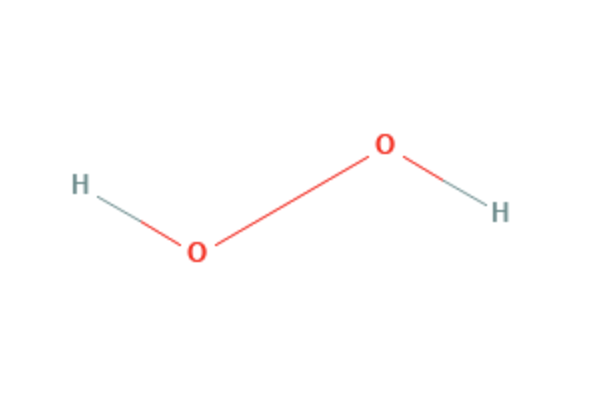
Hydrogen Peroxide

Molekulýar formulaH2O2 CAS7722-84-1 Molekulýar agram34.01 g/mol g/mol
SinonimlerPeroxide, Dioxidane
Safety & Hazards (GHS) Danger
Oxidizing Oxidizing Corrosive Corrosive Acute toxic Acute toxic Irritant Irritant Health hazard Health hazard Environmental hazard Environmental hazard

⚠️ For information only; not a substitute for the official Safety Data Sheet (SDS).

Hydrogen Peroxide is a clear, colorless liquid with strong oxidizing properties. It is widely used as a disinfectant, bleaching agent, and oxidizer in various industrial and consumer applications. It is fully miscible with water and decomposes into water and oxygen, making it environmentally friendly.
- Disinfectant: Used for surface disinfection and sterilization. - Pulp and Paper Industry: Used as a bleaching agent. - Textile Industry: Applied for fabric bleaching. - Water Treatment: Removes pollutants and controls odor. - Cosmetics: Found in hair dyes and teeth whitening products. - Chemical Manufacturing: Intermediate in producing organic and inorganic chemicals.
AppearanceClear, colorless liquid
OdorSlightly sharp
Molecular FormulaH2O2
Molecular Weight34.01 g/mol
Boiling PointDecomposes before boiling
Density~1.11 g/cm³ (at 30% solution)
SolubilityMiscible with water
pH3.5 - 4.5 (30% solution)
Chemical StabilityDecomposes slowly, accelerated by heat, light, and impurities
IUPAC Namehydrogen peroxide
Molekulýar formulaH2O2
Molekulýar agram34.01 g/mol g/mol
SMILESOO
InChIKeyMHAJPDPJQMAIIY-UHFFFAOYSA-N
  • H271 May cause fire or explosion; strong Oxidizer
  • H302 Harmful if swallowed
  • H311 Toxic in contact with skin
  • H313 May be harmful in contact with skin
  • H314 Causes severe skin burns and eye damage
  • H318 Causes serious eye damage
  • H330 Fatal if inhaled
  • H331 Toxic if inhaled
  • H332 Harmful if inhaled
  • H335 May cause respiratory irritation
  • H351 Suspected of causing cancer
  • H361 Suspected of damaging fertility or the unborn child
  • H370 Causes damage to organs
  • H372 Causes damage to organs through prolonged or repeated exposure
  • H373 May causes damage to organs through prolonged or repeated exposure
  • H400 Very toxic to aquatic life
  • H402 Harmful to aquatic life
  • H412 Harmful to aquatic life with long lasting effects

⚠️ For information only; not a substitute for the official SDS.

Teklip we jikme-jiklik soramak