 Corrosive
 Acute toxic
 Health hazard
 Environmental hazard
⚠️ For information only; not a substitute for the official Safety Data Sheet (SDS).
| Appearance | White crystals or crystalline powder |
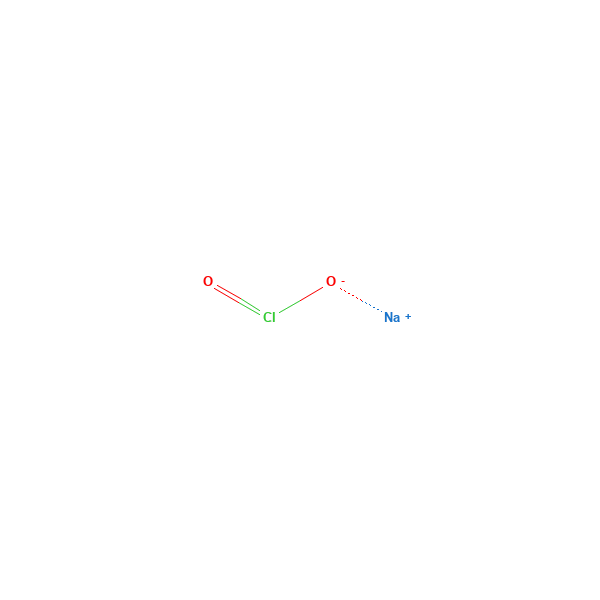
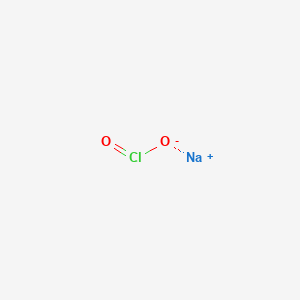
| Molecular Formula | NaClO2 |
| Molecular Weight | 90.44 g/mol |
| Melting Point | 257 °C |
| Density | 2.47 g/cm³ |
| Solubility | 64 g/100 g water at 17 °C |
| IUPAC Name | sodium chlorite |
| Molekulýar formula | NaClO2 |
| Molekulýar agram | 90.44 g/mol |
| SMILES | [O-]Cl=O.[Na+] |
| InChIKey | UKLNMMHNWFDKNT-UHFFFAOYSA-M |
⚠️ For information only; not a substitute for the official SDS.
