sales@klarchem.com +90 530 315 00 65 Mo–Sa: 09:00 – 18:00

Ammonia

Ammonia
Chemisches Produkt

Ammonia

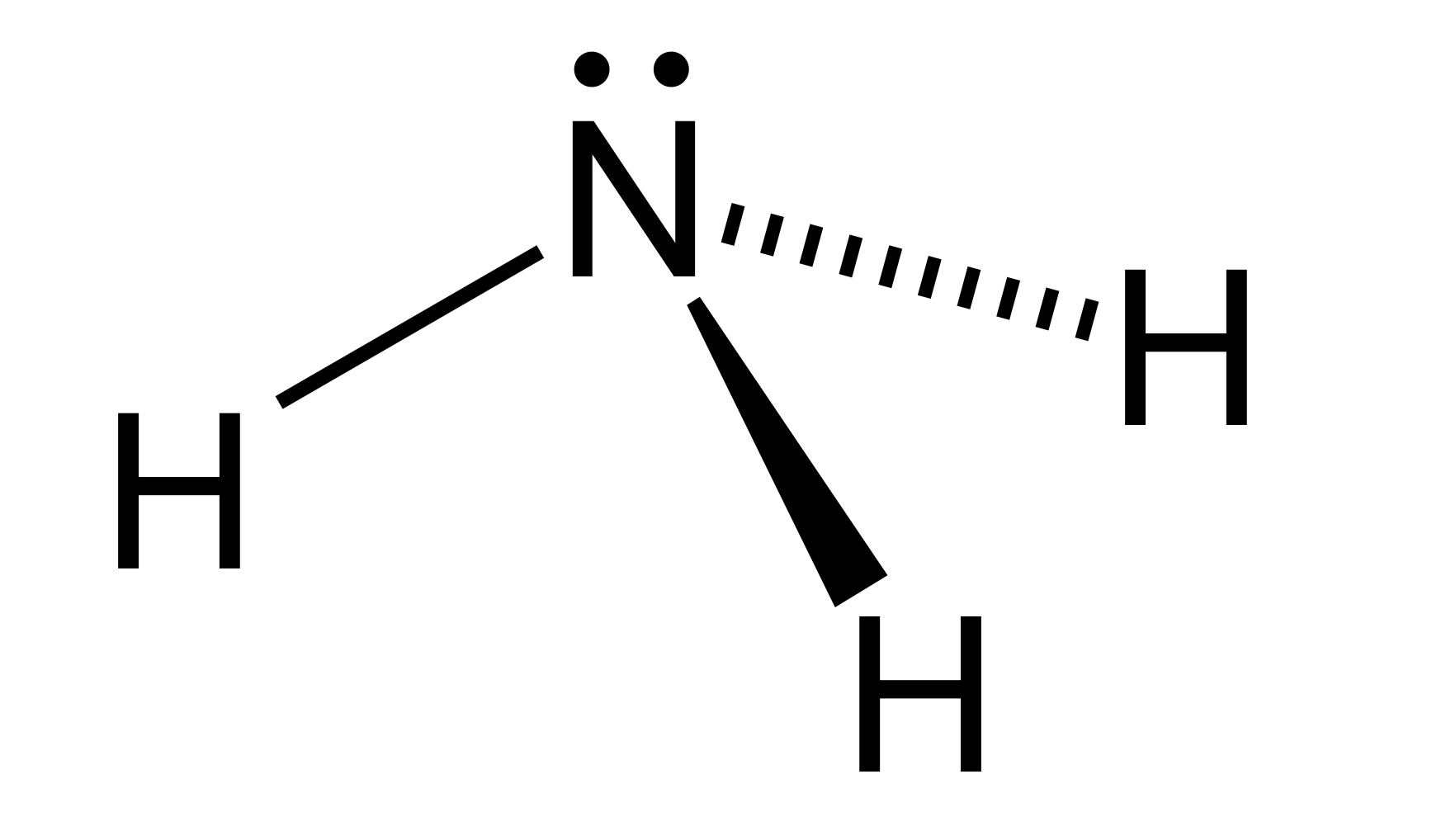
SummenformelNH3 CAS7664-41-7 Molekulargewicht17.03 g/mol g/mol
SynonymeAzane, Azanium, Nitrogen Trihydride
Safety & Hazards (GHS) Danger
Flammable Flammable Gas under pressure Gas under pressure Corrosive Corrosive Acute toxic Acute toxic Irritant Irritant Health hazard Health hazard Environmental hazard Environmental hazard

⚠️ For information only; not a substitute for the official Safety Data Sheet (SDS).

Ammonia is a colorless gas with a pungent odor, commonly used in various industrial applications. It is a key precursor for the production of fertilizers, cleaning agents, and many chemicals.
- Fertilizer Industry: Used in the production of ammonium nitrate and urea fertilizers. - Cleaning Products: Common ingredient in household and industrial cleaners. - Chemical Industry: Raw material for producing nitric acid, hydrazine, and other chemicals. - Water Treatment: Used in wastewater treatment for nitrogen removal. - Refrigeration: Used as a refrigerant in industrial cooling systems.
AppearanceColorless gas (under standard conditions)
OdorPungent, strong ammonia-like odor
Molecular FormulaNH3
Molecular Weight17.03 g/mol
Boiling Point-33.34 °C
Density0.73 g/L (at 0°C)
SolubilityHighly soluble in water
pH (1% solution)11.6 - 12.0
Chemical StabilityStable under normal conditions, highly flammable
IUPAC Nameazane
SummenformelNH3
Molekulargewicht17.03 g/mol g/mol
SMILESN
InChIKeyQGZKDVFQNNGYKY-UHFFFAOYSA-N
  • H220 Extremely flammable gas
  • H221 Flammable gas
  • H280 Contains gas under pressure; may explode if heated
  • H302 Harmful if swallowed
  • H314 Causes severe skin burns and eye damage
  • H318 Causes serious eye damage
  • H331 Toxic if inhaled
  • H332 Harmful if inhaled
  • H334 May cause allergy or asthma symptoms or breathing difficulties if inhaled
  • H335 May cause respiratory irritation
  • H341 Suspected of causing genetic defects
  • H370 Causes damage to organs
  • H372 Causes damage to organs through prolonged or repeated exposure
  • H373 May causes damage to organs through prolonged or repeated exposure
  • H400 Very toxic to aquatic life
  • H402 Harmful to aquatic life
  • H410 Very toxic to aquatic life with long lasting effects
  • H411 Toxic to aquatic life with long lasting effects

⚠️ For information only; not a substitute for the official SDS.

Angebot & Details anfordern