sales@klarchem.com +90 530 315 00 65 Mo–Sa: 09:00 – 18:00

Cobalt Chloride

Startseite/ Industriechemikalien/ Cobalt Chloride
Cobalt Chloride
Chemisches Produkt

Cobalt Chloride

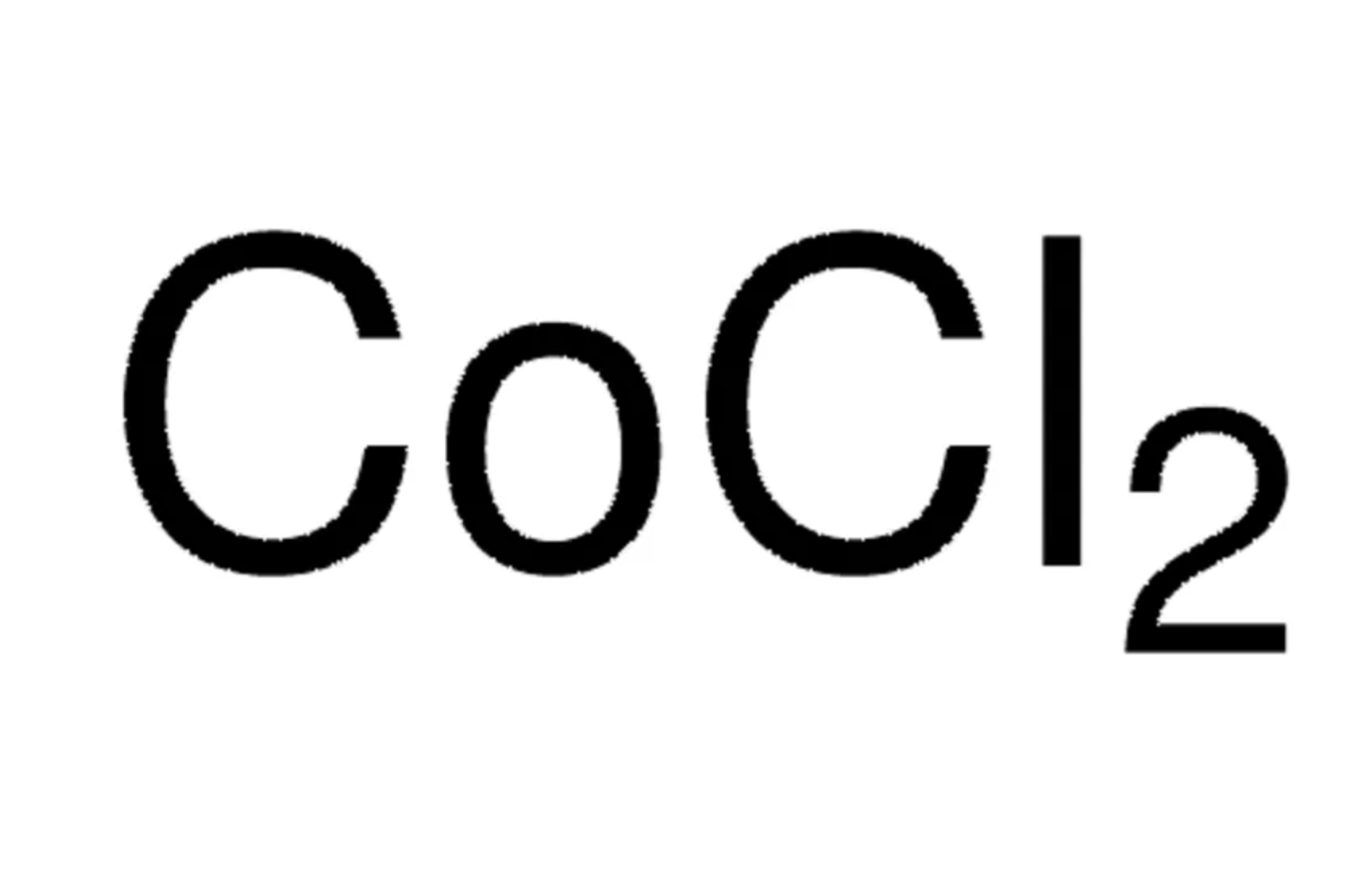
SummenformelCoCl2 CAS7646-79-9 Molekulargewicht129.84 g/mol g/mol
SynonymeCobalt(II) Chloride, Cobalt Dichloride
Safety & Hazards (GHS) Danger
Corrosive Corrosive Acute toxic Acute toxic Irritant Irritant Health hazard Health hazard Environmental hazard Environmental hazard

⚠️ For information only; not a substitute for the official Safety Data Sheet (SDS).

Cobalt Chloride is a red to blue crystalline salt, commonly used as a desiccant, in electroplating, and in various chemical reactions. It is known for its ability to change color based on the hydration state, from pink (hydrated) to blue (anhydrous).
- Desiccant: Used in humidity indicator cards and as a drying agent. - Electroplating: Used in the electroplating of cobalt. - Chemical Manufacturing: Used as a catalyst in organic synthesis. - Laboratory Use: Employed as a reagent in analytical chemistry. - Textile Industry: Applied in dyeing and printing processes.
AppearanceRed to blue crystalline solid
OdorOdorless
Molecular FormulaCoCl2
Molecular Weight129.84 g/mol
Melting Point735 °C
Density3.36 g/cm³
SolubilitySoluble in water
pH (1% solution)5.0 - 6.5
Chemical StabilityStable under normal conditions, but sensitive to moisture
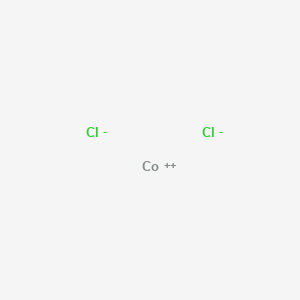
IUPAC Namecobalt(2+) dichloride
SummenformelCoCl2
Molekulargewicht129.84 g/mol g/mol
SMILES[Cl-].[Cl-].[Co+2]
InChIKeyGVPFVAHMJGGAJG-UHFFFAOYSA-L
  • H301 Toxic if swallowed
  • H302 Harmful if swallowed
  • H315 Causes skin irritation
  • H317 May cause an allergic skin reaction
  • H318 Causes serious eye damage
  • H319 Causes serious eye irritation
  • H334 May cause allergy or asthma symptoms or breathing difficulties if inhaled
  • H335 May cause respiratory irritation
  • H341 Suspected of causing genetic defects
  • H350 May cause cancer by inhalation
  • H351 Suspected of causing cancer
  • H360 May damage fertility
  • H361 Suspected of damaging fertility or the unborn child
  • H370 Causes damage to organs
  • H372 Causes damage to organs through prolonged or repeated exposure
  • H373 May causes damage to organs through prolonged or repeated exposure
  • H400 Very toxic to aquatic life
  • H401 Toxic to aquatic life
  • H410 Very toxic to aquatic life with long lasting effects

⚠️ For information only; not a substitute for the official SDS.

Angebot & Details anfordern